
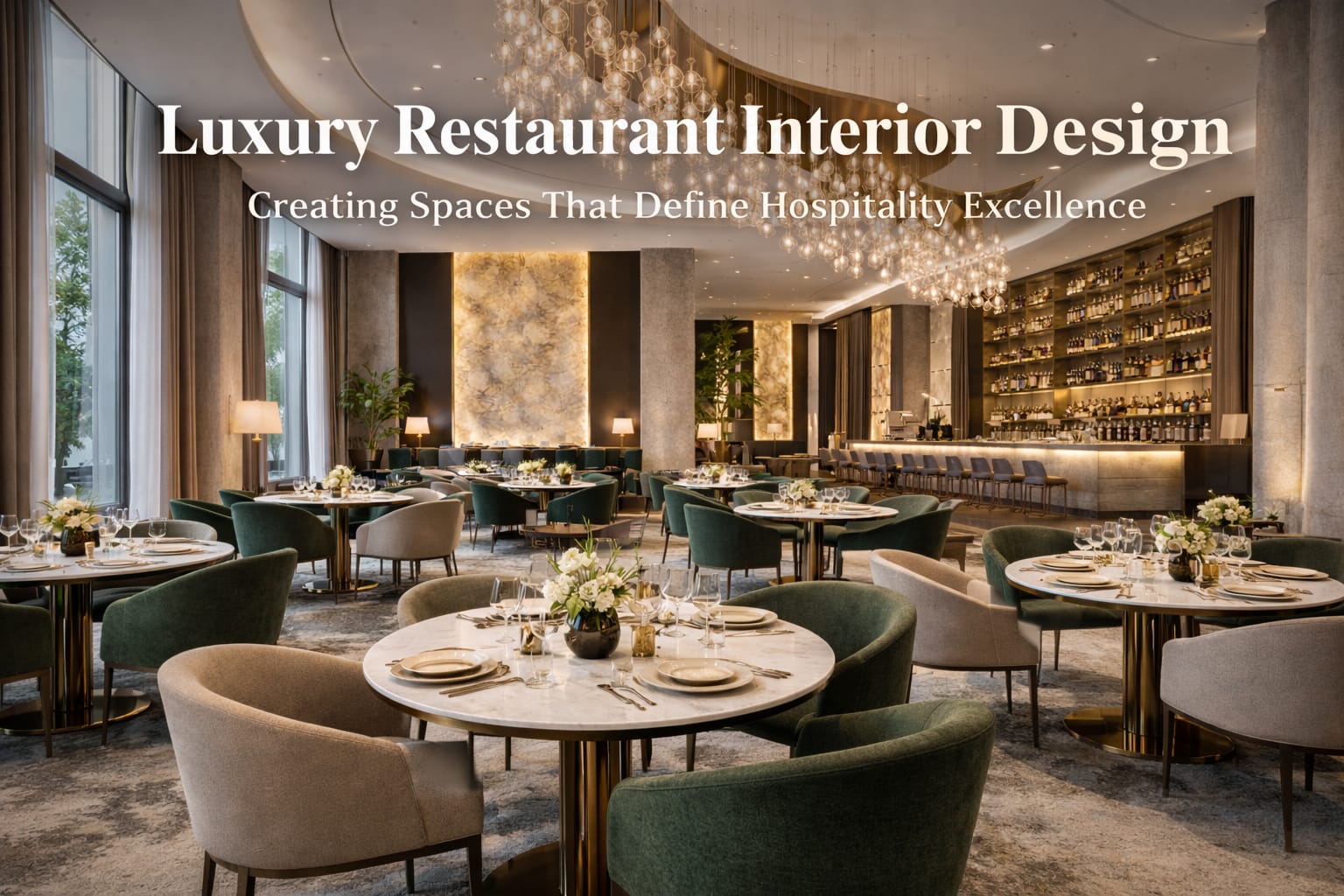
Luxury Restaurant Interior Design: Premium Spaces for Modern Hospitality
Luxury Restaurant Interior Design: Creating Spaces That Define Hospitality Excellence
Luxury restaurant interiors have evolved far beyond aesthetic value. Today, successful restaurant concepts combine visual identity, operational efficiency, and guest comfort into a single integrated experience. For hotel investors, architects, and hospitality operators, interior design is not simply decoration — it is a strategic tool that directly influences brand perception, guest satisfaction, and long-term profitability.
In high-end hospitality projects, the restaurant often becomes the heart of the building. It represents the overall quality of the property and shapes the first impression for guests. As a result, luxury restaurant design requires careful planning where architecture, furniture manufacturing, and material selection work together seamlessly.
At WTBCompany, we approach restaurant interiors from a manufacturer and project partner perspective, focusing on solutions that are not only visually impressive but also durable, functional, and suitable for large-scale commercial use.
1. The Role of Layout in Luxury Restaurant Projects
A well-planned layout is the foundation of a successful restaurant interior. Luxury environments should feel spacious yet intimate, open yet organized. Achieving this balance requires precise space planning that considers circulation areas, service paths, and guest comfort simultaneously.
Designers increasingly prefer flexible seating arrangements that allow spaces to adapt to different operational needs — from breakfast service in hotel restaurants to evening fine-dining experiences. Curved seating elements, lounge-style waiting areas, and central feature zones create natural flow while maintaining a sense of exclusivity.
From a contract manufacturing perspective, furniture dimensions and placement must also support operational efficiency. Comfortable spacing between tables, ergonomic seating angles, and durable finishes ensure long-term functionality without compromising design integrity.
2. Material Selection: The Signature of Luxury
Materials define the emotional impact of a restaurant interior. Marble surfaces, textured fabrics, brushed metals, and natural wood tones remain dominant choices in premium hospitality environments. However, true luxury is not only about appearance — it is about performance over time.
Commercial-grade materials must resist heavy daily use while maintaining their original look. This is why custom production plays a key role in luxury restaurant projects. Bespoke tabletops, reinforced seating structures, and high-quality upholstery fabrics allow designers to achieve unique aesthetics while meeting hospitality durability standards.
Combining warm materials with refined finishes creates an inviting atmosphere that encourages guests to stay longer — directly contributing to increased spending and customer loyalty.
3. Lighting as a Design Strategy
Lighting is one of the most underestimated elements in restaurant design, yet it has the strongest psychological impact on guests. Luxury restaurants typically use layered lighting strategies:
-
Ambient lighting for overall warmth
-
Accent lighting to highlight architectural or decorative features
-
Task lighting for tables and dining zones
Soft, indirect lighting creates intimacy, while statement fixtures add a sense of identity. In modern luxury projects, lighting becomes a design language of its own, defining the mood from daytime dining to evening ambience.
When furniture and lighting are planned together, reflections, textures, and material colors appear richer, making the entire space feel more refined.
4. Custom Furniture: The Core of Brand Identity
Standard furniture solutions rarely meet the expectations of luxury restaurant concepts. Each project has its own character, target audience, and operational requirements. Custom furniture manufacturing allows designers to create a cohesive environment where every piece contributes to the overall story.
In hospitality environments, furniture must achieve three critical goals:
-
Visual exclusivity
-
Long-term durability
-
Ergonomic comfort
Curved sofas, statement lounge chairs, marble-top tables, and handcrafted details all help define a recognizable brand identity. At the same time, structural quality and precise engineering ensure that these pieces perform reliably in high-traffic commercial settings.
For large-scale projects, working with an experienced manufacturer ensures consistency across multiple spaces while maintaining design integrity from concept to installation.
5. Hospitality Trends Shaping Luxury Restaurants
Current trends in luxury restaurant interiors show a clear shift toward relaxed sophistication. Guests increasingly prefer environments that feel elegant yet comfortable rather than overly formal.
Key trends include:
-
Organic forms and soft curves in furniture design
-
Natural color palettes combined with rich textures
-
Boutique-style seating areas inside large spaces
-
Integration of lounge and dining functions
-
High-quality acoustic solutions for better comfort
These elements create spaces that are visually impressive while remaining approachable — a balance that modern luxury brands aim to achieve.
6. Why Turnkey Manufacturing Makes a Difference
One of the biggest challenges in hospitality projects is maintaining design consistency while meeting strict deadlines. Turnkey manufacturing solutions allow investors and designers to manage procurement, production, and installation through a single experienced partner.
This approach reduces risk, improves project coordination, and ensures that design intentions are fully realized in the final space. From prototypes to large-scale production, integrated manufacturing helps maintain quality standards across every furniture element.
Conclusion
Luxury restaurant interior design is no longer just about aesthetics; it is about creating environments that connect emotionally with guests while performing flawlessly in real-world operations. From material selection and lighting to custom furniture and layout strategy, every detail contributes to the overall experience.
For architects, developers, and hospitality brands, choosing the right manufacturing partner is essential to translating design vision into long-lasting, functional reality.
At WTBCompany, we combine design-driven thinking with large-scale manufacturing expertise to deliver hospitality furniture solutions that elevate restaurant environments and support project success from concept to completion.